
Hardware
Ryzen X3D Explained: Why 3D V-Cache Crushes Game FPS
How AMD's stacked L3 cache turns mid-tier core counts into class-leading gaming performance.
6 min read·March 9, 2026
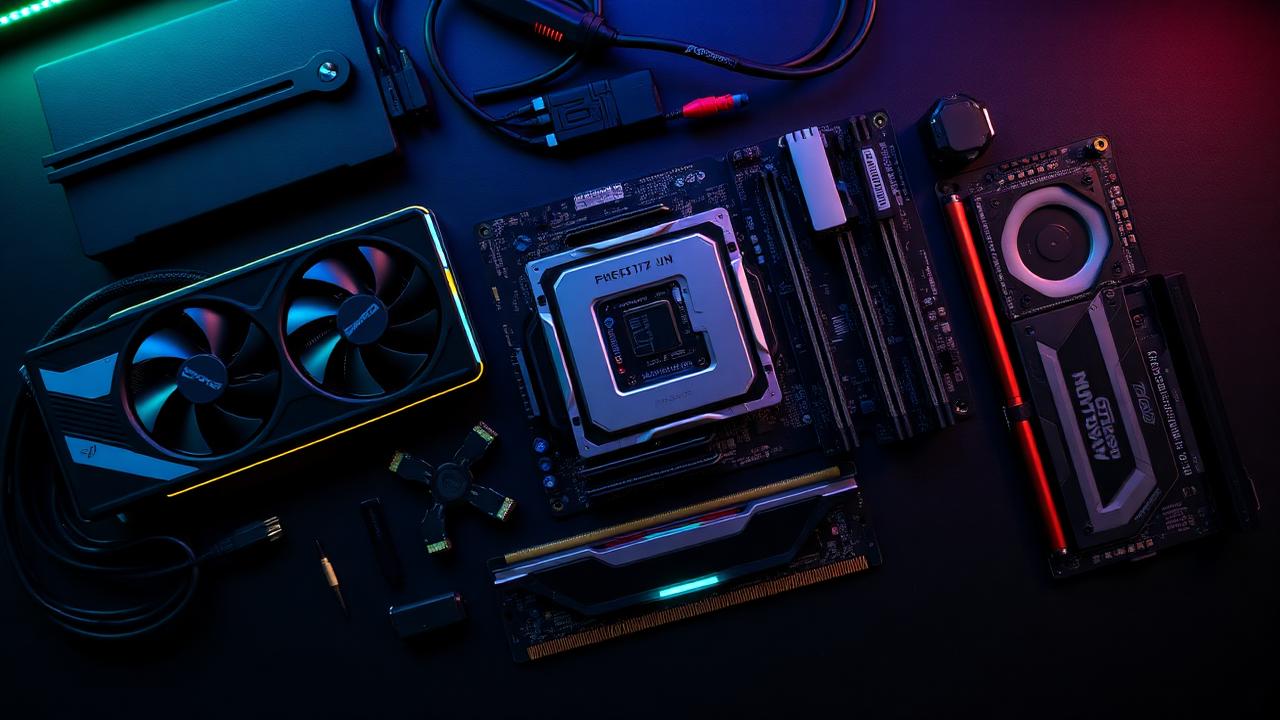
The cache shortcut
Game engines spend a lot of time waiting on memory. A bigger, closer cache means fewer trips to RAM, which means more frames per second, without raising clock speeds at all.
AMD's 3D V-Cache stacks extra L3 directly on top of the CPU die. Tripling L3 capacity is enough to lift many games by 15-30%, especially CPU-heavy titles.
Where it shines
- Microsoft Flight Simulator
- Cities: Skylines II
- Escape from Tarkov
- Stellaris, Civilization 6 turn times
- WoW raids, Final Fantasy XIV
- 1080p / 240Hz competitive titles
Where it does not
- Productivity. The 7700X / 7950X non-X3D variants clock higher and win Cinebench.
- 4K AAA. GPU-bound, the CPU mostly idles.
Picking the right one
- 7800X3D, best gaming CPU of its generation. Period.
- 7950X3D, productivity + gaming. The scheduler matters; keep Windows up to date.
- 5800X3D, drop-in upgrade for AM4 owners on a B450/X470/B550. Keeps DDR4 builds alive.
Bottleneck reality check
Pair a 7800X3D with an RTX 4090 at 1440p and the calculator returns near-zero bottleneck. That combination is currently the highest-FPS gaming PC you can build at sane prices.
Related reading
Run your own numbers
Open the free bottleneck calculator or estimate FPS with the FPS calculator.